
What Is a Gel Manicure? The Complete Guide to Benefits, Cost, Removal & Aftercare
1. Introduction
If you’re looking for a manicure that stays glossy, resists chips, and keeps your nails looking salon-fresh for weeks, a gel manicure is one of the most popular choices available today. Unlike traditional nail polish, gel polish is specially formulated to cure under an LED or UV lamp, creating a durable finish that lasts significantly longer.
Over the past decade, the gel nail manicure has become a favorite among busy professionals, students, brides, and anyone who wants beautiful nails without frequent touch-ups. Whether you prefer a classic nude look, elegant French tips, bold seasonal colors, or intricate nail art, gel polish offers versatility while maintaining exceptional shine and durability.
Many people considering their first gel manicure often ask questions like:
- What exactly is a gel manicure?
- Is it safe for natural nails?
- How long does it last?
- Is it worth the cost?
- How is it different from a regular manicure?
This comprehensive guide answers all of those questions and more. You’ll learn how a gel manicure works, its biggest advantages, the different types available, expected longevity, maintenance tips, removal methods, and how to choose the best option for your lifestyle. By the end of this guide, you’ll have everything you need to decide whether a gel manicure is the right choice for you.
2. What Is a Gel Manicure?
A gel manicure is a professional nail treatment that uses specially formulated gel polish instead of traditional nail polish. Each layer of gel is cured under an LED or UV lamp, allowing the polish to harden instantly into a smooth, durable finish.
Unlike regular polish that dries naturally in the air, a gel nail manicure relies on light curing technology. This curing process bonds the polish into a tougher coating that resists chipping, peeling, and dullness for much longer than conventional manicures.
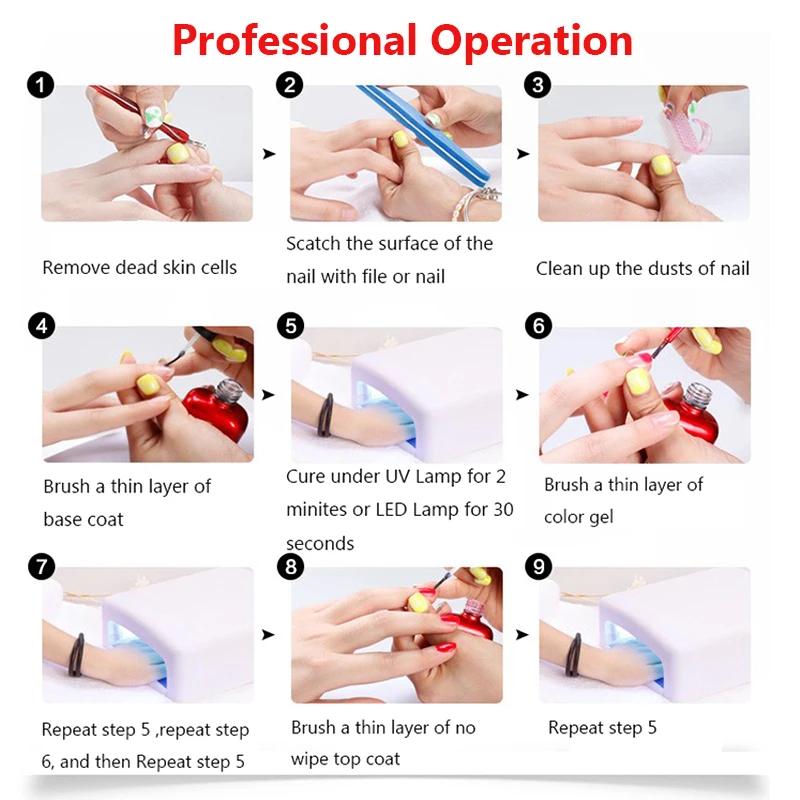
A standard gel manicure typically includes:
- Nail shaping and filing
- Cuticle care
- Nail surface preparation
- Base coat application
- Two or more coats of gel color
- LED or UV curing after each layer
- Protective top coat
- Final cure and cuticle oil application
One of the biggest reasons clients choose gel is its impressive longevity. While traditional nail polish often begins chipping within a week, a professionally applied gel manicure can remain beautiful for two to three weeks with minimal maintenance.
Another major advantage is the instant cure. Because each coat hardens under the lamp, there’s no waiting for polish to dry after your appointment. You can immediately use your hands without worrying about smudges or dents.
Many first-time clients wonder whether LED or UV lamps are necessary. The answer is yes. Gel polish is designed with photo-initiators that only harden when exposed to specific wavelengths of light. Without curing, the polish remains soft and will not adhere properly.
Today’s salons typically use LED lamps because they cure most gel formulas faster while producing less heat. Some specialty products still require UV lamps, but both methods are considered safe when used properly by trained professionals.
Whether you want a timeless nude manicure, vibrant seasonal colors, or detailed nail art, a gel manicure provides a long-lasting, glossy finish that keeps your nails looking polished day after day.
3. How Does a Gel Manicure Work?
Although a finished gel nail polish manicure looks effortless, achieving that flawless result involves several carefully performed steps. Each stage helps ensure the gel adheres properly and lasts as long as possible.
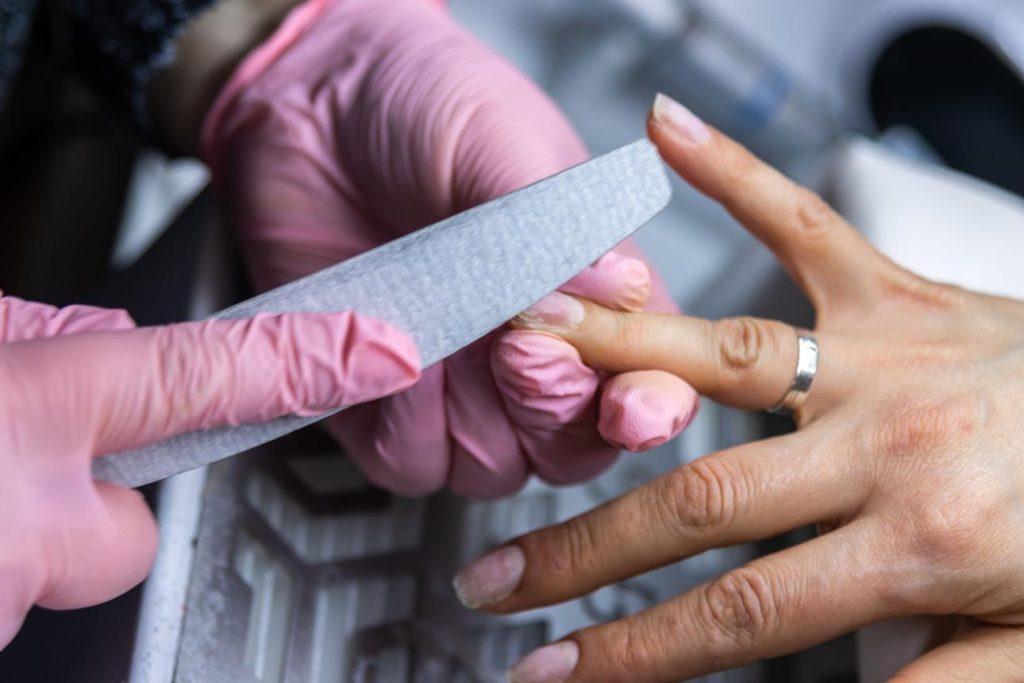
Step 1: Nail Preparation
Everything begins with proper nail preparation. Your nail technician trims and shapes the nails, gently pushes back the cuticles, removes excess skin, and lightly buffs the nail surface. Any oils or residue are cleansed away to create a clean foundation for the gel.
Skipping this step can reduce adhesion and shorten the life of the manicure.
Step 2: Base Coat
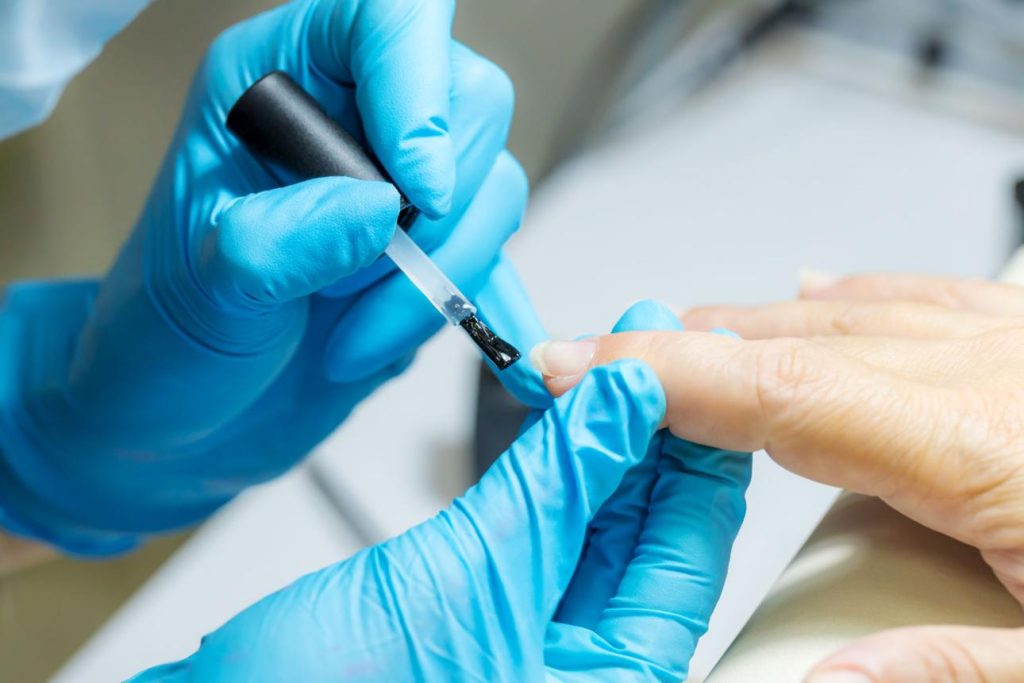
A thin layer of gel nail polish base coat is applied to protect the natural nail and create a strong bond between the nail plate and the color layers. The base coat is then cured under an LED or UV lamp for approximately 30–60 seconds, depending on the product.

Step 3: Gel Color Application
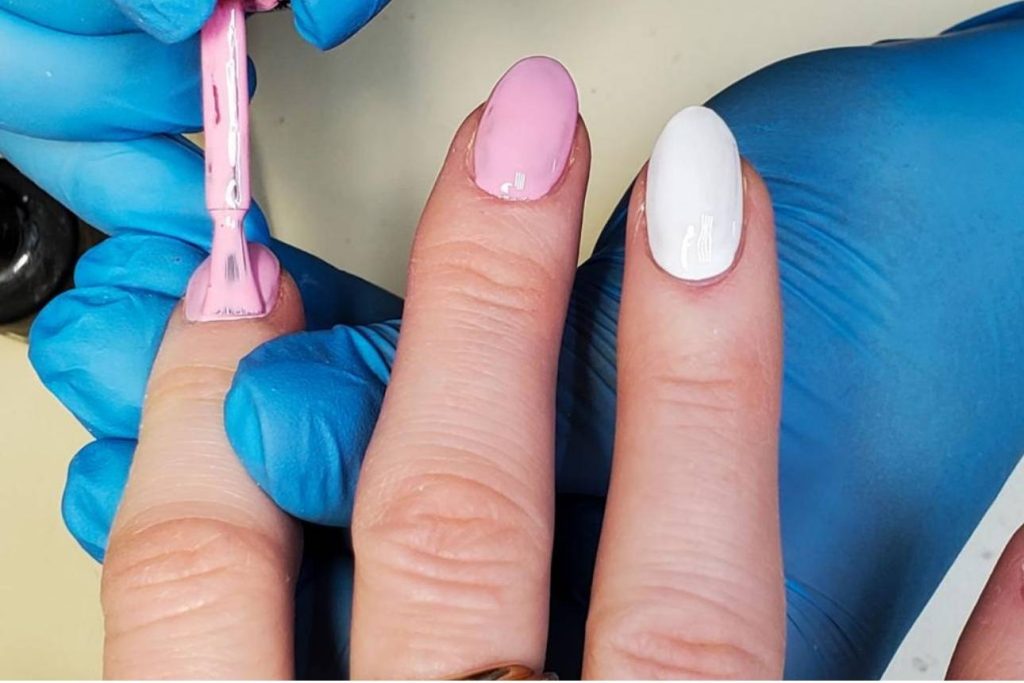
Next, two or more thin coats of colored gel polish are applied. Each coat is cured individually under the lamp before the next layer is added. Applying thin layers helps create a smooth, even finish while preventing wrinkles or bubbling.
Because the polish cures instantly after each layer, technicians can build vibrant, opaque color without long drying times.
Step 4: Top Coat
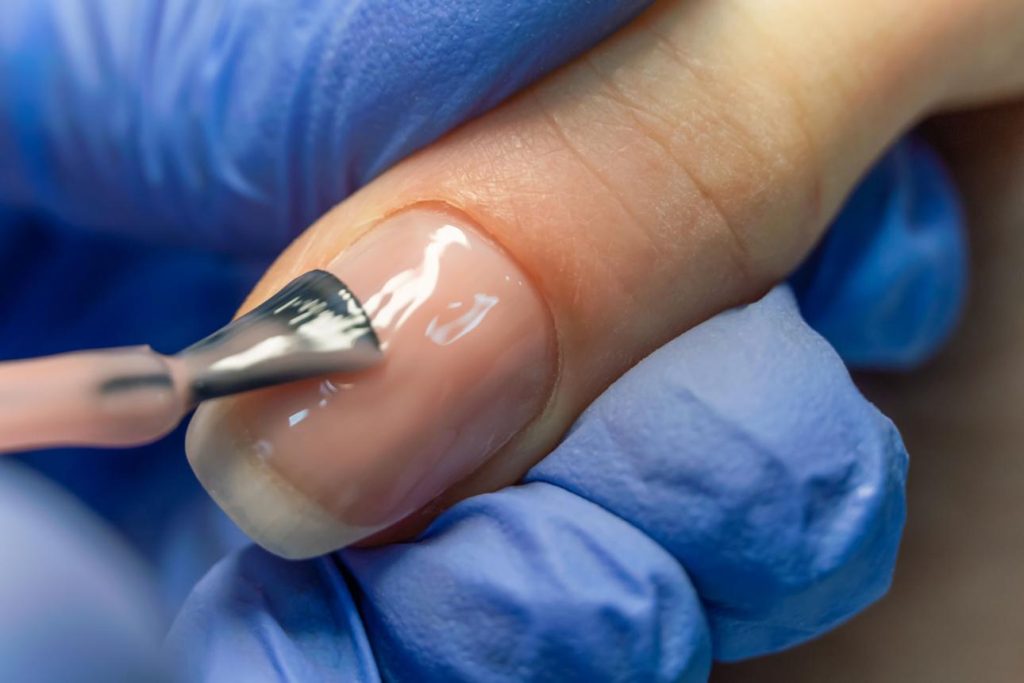
A high-gloss gel top coat seals the manicure, adding shine while protecting the color from scratches, fading, and everyday wear. After the final cure, any sticky residue is removed with a cleanser, revealing a brilliant mirror-like finish.
Step 5: Cuticle Oil and Finishing Touches
To complete the service, nourishing cuticle oil is massaged around the nails to restore moisture lost during the preparation process. Many salons also recommend applying cuticle oil daily to maintain healthy-looking nails and skin between appointments.
The combination of quality gel nail polish, proper curing, and careful application is what gives a gel manicure its signature durability, brilliant shine, and resistance to chips. When performed professionally, the result is a manicure that looks freshly done for weeks.
4. Benefits of a Gel Manicure
One of the biggest reasons a gel manicure has become a salon favorite is its ability to combine beauty, durability, and convenience. Compared with traditional polish, gel offers several advantages that make it an excellent choice for everyday wear as well as special occasions.
Long-Lasting Wear
Perhaps the greatest of all gel manicure benefits is longevity. A professionally applied gel manicure typically lasts between two and three weeks without significant chipping or peeling. For people with busy schedules, this means fewer salon visits and consistently polished nails.
Chip-Resistant Finish
Daily activities such as typing, cooking, cleaning, and working with your hands can quickly damage regular nail polish. Gel polish creates a stronger protective coating that resists chips, cracks, and peeling far better than traditional polish, making it ideal for active lifestyles.
Brilliant High Shine
Gel polish maintains its glossy finish throughout the life of the manicure. Unlike regular polish, which may lose its shine after several days, gel continues to look fresh and vibrant until it’s time for removal or replacement.
Instant Drying
Because each layer cures under an LED or UV lamp, there’s no need to wait for your nails to air dry. You can leave the salon and immediately return to your daily routine without worrying about smudging your freshly painted nails.
Perfect for Busy Lifestyles
If you travel frequently, work long hours, or simply prefer low-maintenance beauty routines, a gel manicure offers exceptional convenience. You spend less time touching up chipped polish and more time enjoying consistently beautiful nails.
Endless Style Options
From classic nude shades and timeless French manicures to chrome finishes, glitter accents, seasonal colors, and intricate nail art, gel polish is available in countless colors and finishes. Its durability also makes it an ideal base for creative nail designs that stay looking fresh longer.
Added Support for Natural Nails
While a gel manicure is not intended to strengthen nails permanently, it does create a protective coating over the natural nail. This extra layer can help reduce minor breakage and make it easier for some people to grow longer natural nails—as long as the gel is applied and removed correctly.
Whether you’re preparing for a vacation, wedding, important event, or simply want beautiful nails every day, the many gel manicure benefits make this service one of the most practical and popular choices in modern nail care.
5. Different Types of Gel Manicures
One of the biggest advantages of choosing a gel manicure is the variety of options available. Not all gel services are the same, and each type is designed to meet different nail goals. Some are perfect for adding strength to natural nails, while others are ideal for creating extensions or achieving long-lasting durability.
Understanding the differences can help you choose the right service based on your nail condition, lifestyle, and desired look.
Builder Gel Manicure
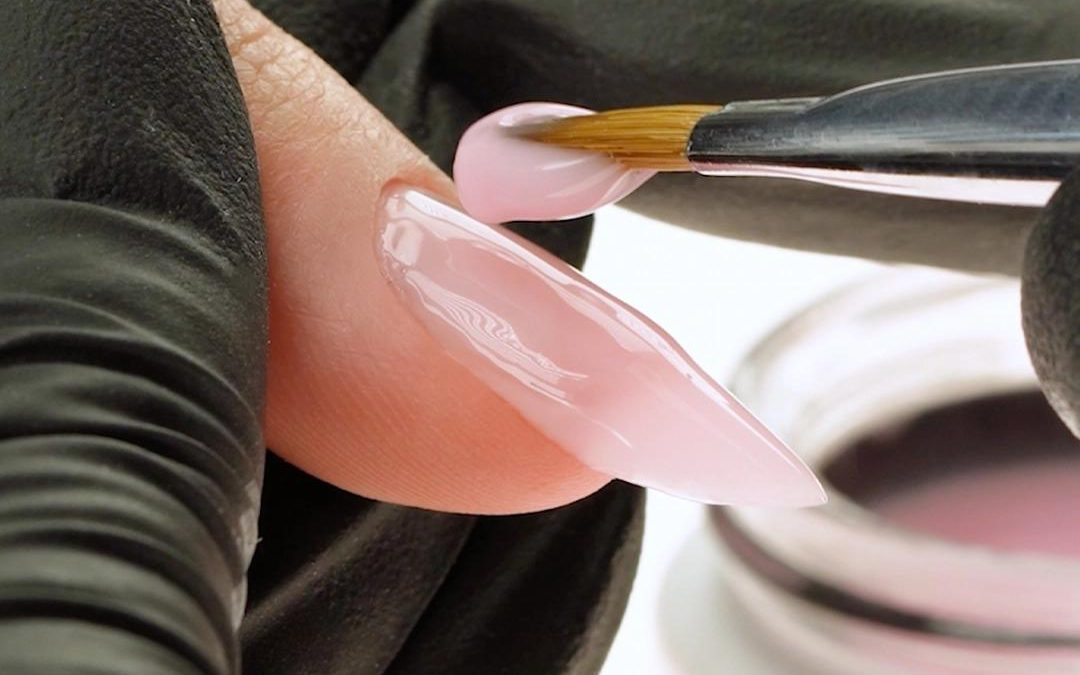
A Builder Gel Manicure is designed to strengthen natural nails while creating a smooth, even shape. Builder gel has a thicker consistency than regular gel polish, allowing technicians to add structure, reinforce weak nails, and correct uneven nail surfaces.
This service is ideal for clients who want to grow their natural nails without switching to acrylics. Builder gel provides extra durability while maintaining a lightweight, natural appearance. It can also be used to create short extensions when desired.
Unlike traditional gel polish, builder gel adds noticeable strength, making it a popular choice for clients with brittle or flexible nails that break easily.
Best for:
- Weak or thin natural nails
- Clients growing out their natural nails
- Everyday durability
- Minimal, elegant manicures
Hard Gel Manicure
A Hard Gel Manicure uses a rigid gel formula that becomes extremely durable once cured. Unlike soft gel, hard gel cannot be removed with acetone and must be carefully filed off by a professional.
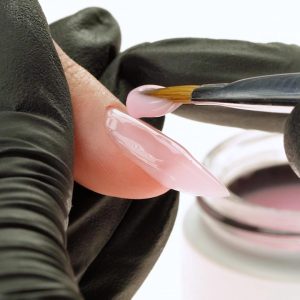
Because of its exceptional strength, hard gel is commonly used to build nail extensions, repair broken nails, or support clients who naturally have weak nails. It is less flexible than builder or soft gel, making it an excellent choice for people who are hard on their hands.
Hard gel also holds its shape very well, making it suitable for longer nail lengths that require additional structural support.
Best for:
- Long nails
- Nail extensions
- Clients needing maximum durability
- Heavy daily hand use
Soft Gel Manicure
A Soft Gel Manicure is the classic gel manicure offered in most salons. Soft gel polish cures under an LED or UV lamp and can be soaked off using acetone when it’s time for removal.

It delivers the glossy finish and long-lasting wear that gel manicures are known for while remaining flexible enough to move naturally with the nail. Soft gel is generally easier to maintain than hard gel and is an excellent option for clients who prefer changing their nail color frequently.
Most traditional gel nail manicure services use soft gel products.
Best for:
- Healthy natural nails
- Classic color manicures
- Regular maintenance every 2–3 weeks
- First-time gel manicure clients
Structured Gel Manicure
A Structured Gel Manicure combines the beauty of gel polish with the added strength of builder gel. Rather than simply painting color onto the nail, technicians create a reinforced apex that improves nail balance and durability.
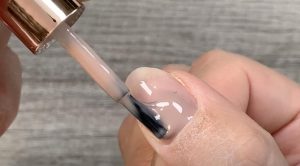
This technique is especially popular among clients who experience frequent nail splitting, peeling, or breakage. The additional structure helps protect natural nails while maintaining a refined, natural appearance.
Structured gel has become increasingly popular because it provides more strength than a regular gel manicure without the thickness often associated with acrylic enhancements.
Many salons now recommend structured gel as the ideal option for clients hoping to grow long, healthy natural nails.
Best for:
- Natural nail growth
- Weak or peeling nails
- Longer-lasting manicures
- Elegant, natural-looking nails
Poly Gel Manicure
A Poly Gel Manicure combines some of the best qualities of acrylic and gel systems. Poly gel has a putty-like consistency that allows technicians to sculpt nails with excellent control before curing them under an LED lamp.
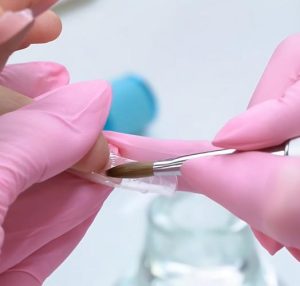
Compared with acrylic, poly gel is lighter, more flexible, and produces very little odor during application. It can be used for overlays, repairs, or nail extensions while still delivering exceptional strength.
Many clients appreciate poly gel because it feels comfortable on the nails while offering impressive durability for everyday wear.
Best for:
- Nail extensions
- Clients wanting lightweight enhancements
- Durable yet flexible nails
- Custom nail shapes
BIAB (Builder in a Bottle)
Builder in a Bottle (BIAB) is one of the fastest-growing trends in professional nail care. It combines builder gel with the convenience of a bottle application, making it easier and faster to apply than traditional builder gel.
BIAB strengthens natural nails while providing enough flexibility to reduce breakage. It is commonly worn alone in natural shades or topped with colored gel polish for additional style.
Clients who want stronger natural nails without heavy enhancements often choose BIAB because it encourages healthy nail growth while maintaining a clean, sophisticated appearance.
Best for:
- Growing natural nails
- Minimalist manicures
- Thin or damaged nails
- Long-lasting overlays
6. Gel Manicure vs Regular Manicure
Choosing between a gel manicure vs regular manicure depends on your lifestyle, budget, and personal preferences. While both services enhance the appearance of your nails, they differ significantly in durability, maintenance, and overall performance.
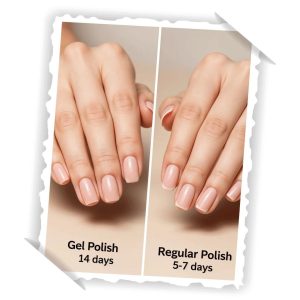
A regular gel manicure offers longer wear and greater resistance to everyday damage, making it ideal for busy individuals who don’t want to worry about chipped polish. A traditional manicure, on the other hand, is less expensive and easier to remove at home, making it a great option for those who enjoy changing nail colors frequently.
| Feature | Gel Manicure | Regular Manicure |
|---|---|---|
| Lasts | 2–3 weeks | 5–7 days |
| Drying Time | Instantly cured under LED/UV | Air dries naturally |
| Finish | High-gloss shine | Medium gloss |
| Durability | Highly chip-resistant | Chips more easily |
| Removal | Professional soak-off recommended | Nail polish remover |
| Maintenance | Less frequent | More frequent |
Which One Should You Choose?
A gel manicure is the better option if you:
- Want your manicure to last for weeks
- Have a busy lifestyle
- Travel frequently
- Prefer low-maintenance beauty routines
- Love high-shine nails
A regular manicure may be better if you:
- Like changing nail colors every few days
- Prefer lower upfront costs
- Rarely wear polish for extended periods
- Want easy at-home removal
Neither option is universally “better”—the right choice depends on your lifestyle and nail care goals. Many clients alternate between both services depending on the season or upcoming events.
7. How Long Does a Gel Manicure Last?
A common question among first-time clients is, “How long does a gel manicure last?”
In most cases, a professionally applied gel manicure lasts between two and three weeks while maintaining its glossy finish and chip-resistant protection. Some clients even enjoy longer wear, although nail growth—not polish wear—is often the reason they schedule their next appointment.
Several factors influence longevity, including:
- The quality of the gel products used
- Proper nail preparation
- Professional application
- Daily hand use
- Nail care habits at home
For example, frequent exposure to water, harsh cleaning products, or using your nails as tools may shorten the lifespan of your manicure.
Applying cuticle oil daily, wearing gloves while cleaning, and avoiding picking or peeling the gel can significantly extend its wear.
As your natural nails grow, you’ll eventually notice a visible gap near the cuticle. At that point, most clients choose either a fresh application or a fill, depending on the type of gel service.
8. Gel Manicure Cost
Many clients researching a gel manicure cost quickly discover that prices vary considerably from one salon to another. Rather than focusing on a single price, it’s more helpful to understand the factors that influence the total cost.
Some of the biggest pricing factors include:
Location
Salons in major metropolitan areas often charge more than those in smaller cities due to higher operating costs and local market demand.
Nail Length
Longer nails generally require more product, additional shaping, and extra application time, which may increase the overall service price.
Nail Art
Simple solid colors are usually less expensive than detailed designs. Hand-painted artwork, chrome finishes, ombré effects, rhinestones, and intricate patterns often require additional time and skill.
Add-On Services
Additional treatments may also affect pricing, including:
- Builder gel overlays
- Nail repairs
- French tips
- Chrome powder
- Cat-eye effects
- Cuticle treatments
- Nail strengthening services
While it may be tempting to choose the lowest-priced option, the quality of products, technician experience, sanitation practices, and overall service often provide greater long-term value than price alone.
A professionally applied gel manicure typically lasts much longer than regular polish, meaning fewer touch-ups and salon visits over time.
Explore our Gel Manicure Services to learn more about available options and choose the service that best fits your style and nail care needs.